
Two public restrooms. Two public restrooms. The other is situated at the trailhead’s remote location, surrounded by vast open space.
They both provide the exact identical essential service. However when you design them to be identical structures, they would not function in the exact same way.
Good public restroom buildings begin with the site. Who will use the facility? How many people may arrive at once? What utilities are available? How far will visitors have to walk? What architecture surrounds the building?
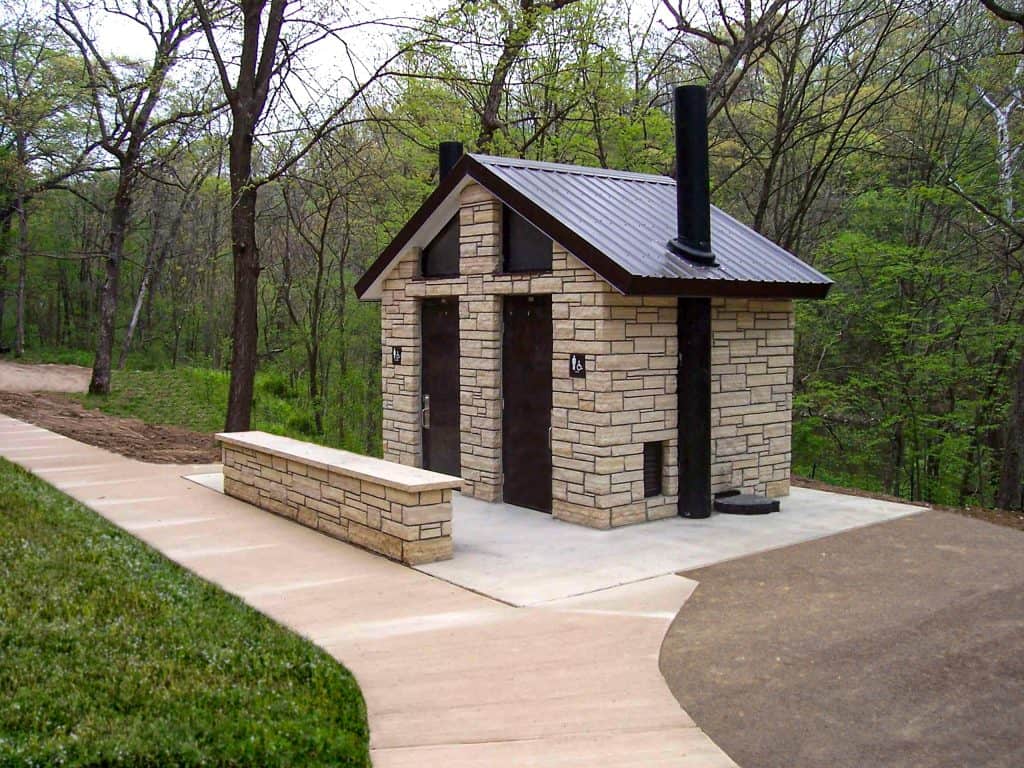
Image credit: romtec.com
Answering these questions can influence almost all of the decisions to come.
Start with observing how people navigate the site
Placement of toilets shouldn’t be thought of as a separate thing from the rest and design of the park. When a facility is a sport huge crowds can gather around events and games. It is crucial that a bathroom with a playground is situated at a suitable location for families, and integrate into the circulation of pedestrians. In urban environments, the size of sidewalk restrooms might be smaller and they may require a combination with other features of the streetscape.
The building itself is not the only thing you experience. The location of the building is influenced by many elements, including access, activities nearby as well as the entrances, pathways, and routes.
Remote sites can cause a new issue
The project should be moved away from the developed street and utility infrastructure. A picturesque overlook, campsite, trailhead, or other remote recreational area may not have a practical connection to conventional sewer service. When used appropriately vault toilets may provide an alternative to traditional plumbing systems in areas that are difficult or unpractical.
This alters the discussion about design. Teams working on projects do not need to choose a building prior to taking a look at the location and deciding the best restroom solution. best.
Capacity should reflect the actual usage
A park located in a tranquil neighborhood or a sports facility regionally do not have the same kinds of people who visit. Demand during peak times is essential. It’s not enough just to have your facility in good order on an afternoon on a Tuesday.
Making plans around actual usage can help owners think about restroom capacity layout, layout, fixtures maintenance access, and other operational requirements before construction even begins.
The flexibility of prefabricated park restrooms could be very valuable to organizations that are interested in the building. Instead of requiring the site to comply with a specific model, the building is able to be customized according to what is required for the particular project.
Even though Architecture is an element of the conversation
It’s not just because it’s a function. A public restroom is part of the natural landscape. Forms of roof, siding, colours, masonry, fixtures and other features of architecture can aid in connecting it to nearby concession or pavilion buildings and the natural environment, an established design theme or community.
Romtec’s customized approach permits teams to work with various colors, materials and shapes as well as exterior styling, instead of being limited to the standard appearance.
Design for the Environment, Not Just the Purpose
Romtec collaborates with park owners, landscape architects, and contractors to design, supply, and install restroom buildings and other public buildings. Its experience includes building documents, code requirements, ADA considerations, engineering components, selection of the right component, and construction across the United States.
The key starting point however, remains surprisingly simple. Do not begin by asking about the restroom facilities you could put on the location. Start by understanding what is already taking place on the location such as people, activities and infrastructure. Make sure the building you design fits within.