
Phones are still vital for veterinary practices even when the office is closed. Pets get sick at night and clients are anxious on weekend hours, and their questions are rarely answered at convenient times. If those calls aren’t answered or are sent to voicemail or sent to an answering service that lacks medical understanding, the outcome is often anger for pet owners, stress for veterinarians on call, and lost opportunities for the practice.
This is the reason that the after-hours phone call is an important part of veterinary operations. A reputable veterinary answering service is more than an answering service. It helps protect the relationship with clients, assists pet owners to the most appropriate next step, and assists in reducing the burden of internal staff. Today, after-hours assistance is more than a convenience. This is how a practice provides continuity of health care.
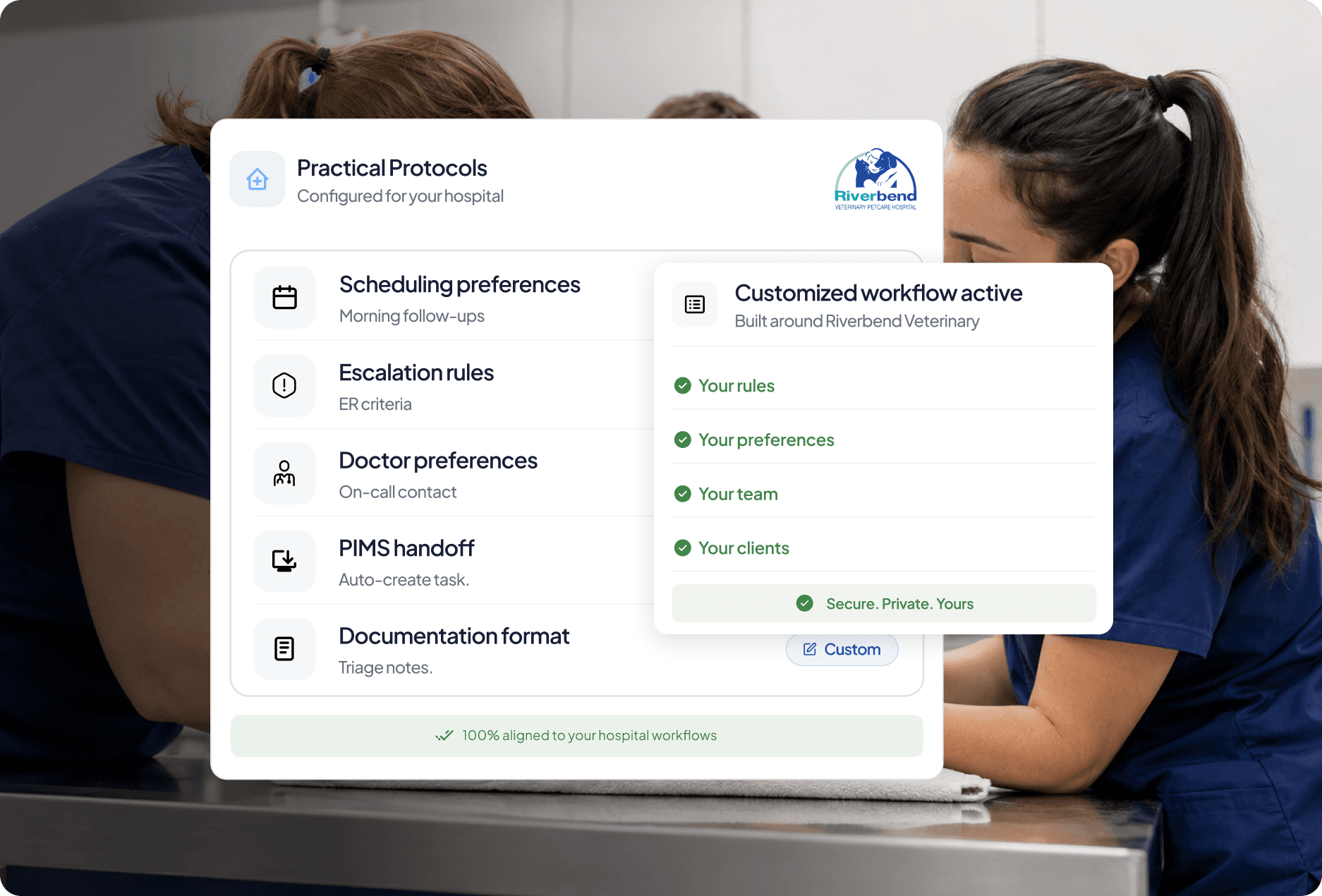
Image credit: guardianvets.com
Not all answering software is designed for veterinary medicine
There is a major difference between a generic answering service and a specialized vet answering service that is specifically designed for hospitals that treat animals. In a veterinary setting emergency calls are not always simple. The patient may be worried about post-surgical issues, toxins vomiting, changes in breathing or if the pet needs emergency care. Those situations require more than taking messages. They require judgement, structure and a calm, calming communication from someone who understands the workflow of veterinary medicine and the urgency.
That’s where GuardianVets differentiates itself. GuardianVets does not operate as simply a call center. It is a vet specifically designed support partner that is staffed by licensed veterinary technicians. That distinction matters. A trained technician can assess the nature of the call, follow the clinic’s triage and escalation protocols, help the pet owner understand the level of urgency, and direct them toward the right next step without stepping outside the boundaries of the veterinary-client-patient relationship.
Triage services for emergencies with veterinary animals can assist you in making better choices.
It is crucial to use a veterinary triage service that will assist you in making decisions in difficult situations. Many pet owners don’t know if a situation is urgent or if it is something that can wait until the next day. In the absence of guidance, many fall to one of two extremes either they rush to a hospital for emergency care or wait too long to seek care.
Triage helps close that gap. It gives pet owners an experienced individual to speak to, reduces the confusion, and assists practices in making sure that urgent situations are escalated accordingly, while non-emergent complaints are documented correctly and handled. Also, it helps prevent veterinarians from being held up for cases that don’t require intervention from a doctor after hours. It could be a huge aid in creating a better balance between work and life, especially in hospitals where doctors need to manage both duties of the clinical as well as on-call.
It is crucial to ensure that the service you select meets your needs and is not in conflict with them.
A modern veterinary call center should not operate as a disconnected service sitting outside your practice. It should be an extension of your team. That means knowing your appointment guidelines procedures, emergency protocols and ways to escalate, and your communication preferences. Also, it is important to integrate your PIMS so that triage notes and results from scheduling are incorporated into the system currently utilized by your team.
GuardianVets was built on the basis of this idea. They review the gaps in coverage, trace how clients communicate currently and design an approach that reflects the reality of the situation instead of trying to force it into a strict format. This is quite a departure from the conventional answering service that typically ends at the point of message capture, before leaving it for the clinic.
More than convenience is improved through better coverage after hours
A reliable veterinary answering system after hours is more than just reduce lost calls. It maintains trust among clients when stressed, helps keep more patients in the practice’s network and enables the team to better manage demand in the evenings. It also enhances revenues by converting overnight or weekend inquiries into appointments booked instead of missed opportunities.
It also assures pet owners that they can seek help if needed. That kind of support matters deeply in veterinary medicine because the majority of calls after hours are logistics. They’re also emotional. People are worried about a beloved animal, and the reaction they get can shape how they feel about the situation for a long time after the immediate problem is resolved.
For clinics looking to improve both client care and team health, GuardianVets offers a model that goes above and beyond a typical answering service for veterinary patients. Integrating clinical triage into workflow integration as well as compassionate communication it allows practices to be there to their patients even when the clinic is closed.