
It’s rare that a clean, well-designed bathroom can become the center of attention for an athletic or park. It can nevertheless make a significant difference in the way people perceive the area. It is a positive experience for guests to have an area that is clean as well as safe as well as easy to use. If the restroom is outdated and ugly, hard to maintain or badly designed, the wrong impression can be generated. This becomes one of the most frequent complaints an agency or park department is faced with.
In recent times increasing numbers of communities have started to examine how restroom buildings are constructed. Owners are beginning to understand that restrooms are more than a mere utility structure. Bathroom facilities must be able to serve users. It should also assist maintenance workers who are responsible for keeping it. Additionally, it must blend naturally with the environment.
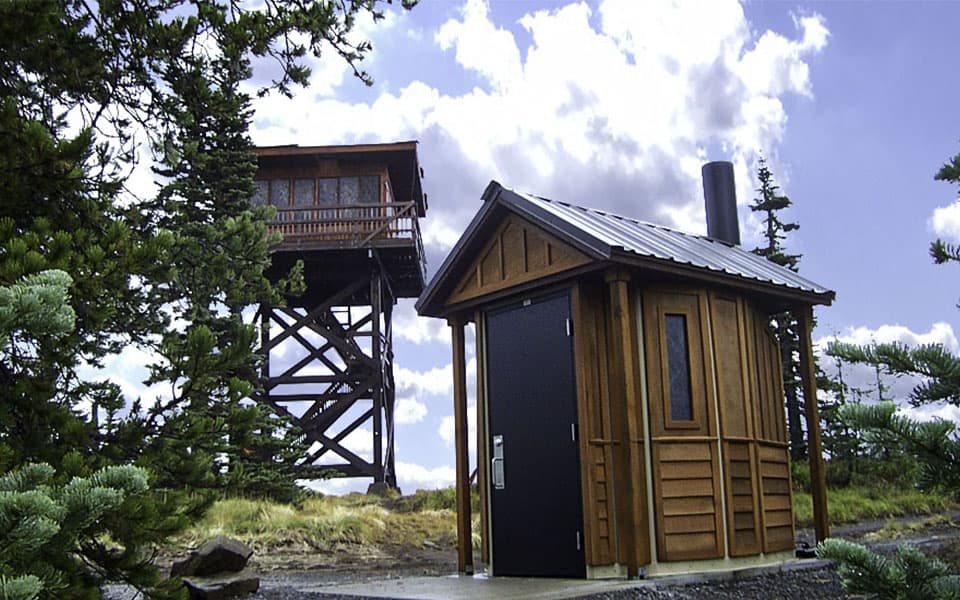
Every project needs a different sort of toilet.
A common mistake in planning public facilities is the assumption that the same design of toilets will be used everywhere. A small neighborhood park will require different specifications as compared to a larger local sports facility. A trailhead that is remote and without access to water is a different solution from a busy city center that requires high-end urban facilities. The campgrounds, the pool areas events venues, and areas for social gatherings are all infused with their individual schedules for traffic, maintenance requirements and accessibility concerns.
Design that is thoughtful makes a big difference. Romtec collaborates with architects, contractors and city departments as well as parks departments to create restrooms that are suitable for their site. This could be a simple structure in a natural area or a multi-user structure for an athletic facility or shower house for a municipal pool or campground, or a steel sidewalk toilet for urban zones. It is important to not just put up a structure however, but also create a space for users to use each throughout the day.
Not all prefabricated restrooms are created to be the same
Prefabricated restrooms for parks are usually the first thing buyers are looking at when beginning their look. They are looking for simplicity along with speed and certainty in the construction cost. This is logical. But there are major differences between an ordinary model and a customized one that offers the same efficiencies in a simplified construction process.
Romtec offers greater flexibility when it comes to restroom construction as opposed to the model of prefabrication. Romtec does not compel the municipality or park to adhere to rigid design limitations, but instead provides building plans, specifications, materials and support to allow the design and structure to be in line. The restroom can then be constructed to be in line with architectural standards, ADA standards, sustainability goals, and local climate. The result is a building that is a part of the public realm or park rather than an added expense on top of the existing site.
The good quality of restrooms encourages better public access
The visitor experience is essential. It is commonplace to refer to restrooms in terms of size, plumbing or maintenance costs. An attractive, clean building with appealing finishes, good visibility of the building, sturdy materials, and a well-organized arrangement conveys that the space is cared for. This alone will affect how people feel about the space.
Romtec is dedicated to combining practicality and aesthetics. Public restrooms shouldn’t only be easy to keep clean, but also welcoming and appropriate for their surroundings. In the majority of public spaces, design particulars can deter usage, reduce vandalism and improve the customer experience. A restroom that feels bright and well-lit is different from one that appears neglected, hidden or just utilitarian.
Sidewalk restrooms satisfy a distinct kind of public need
Urban environments present a unique challenge. In the downtown areas transportation corridors, tourist zones, and public gathering areas, access to clean restroom facilities may directly affect sanitation, general comfort, and the usability of the streetscape. Sidewalk toilets are made to address these requirements.
In contrast to bigger park restrooms, sidewalk restrooms are designed for smaller footprints and must be able to stand up to frequent use, as well as the demands of maintaining city facilities. Romtec’s sidewalk restrooms have been designed with the durability, cleanliness and prevention of misuse in mind. Stainless steel fixtures, sleek designs, and strong materials create toilets that are practical and easy to maintain in urban areas.
Restroom facilities are part of a larger infrastructure for visitors
In many communities, constructing toilets isn’t a separate project. These projects are part of an overall effort to improve public space through enhanced visitor amenities. In a sports park where concessions are required along with bathrooms. In remote areas of the land, a campsite may need bathrooms, showers or waterless alternatives. Trail systems might require smaller structures to accommodate natural surroundings, without the need for utilities.
Romtec is committed to this view and designs more than standard restrooms. They assist owners in designing restrooms, shower buildings and concession spaces that work in conjunction with the people who use the place. This is important because a restroom shouldn’t be thought of as a separate entity. It should be designed to accommodate the flow of room, the ease of use and long-term sustainability.
Better public spaces are possible with better infrastructure
Bathroom buildings are an investment that people usually aren’t aware of until they’re not doing it right. If they are properly constructed, they quietly improve the experience of parks, campgrounds, recreational facilities, as well as city streets over many years. They promote accessibility, comfort and sanitation as well as general impression.
Romtec’s research shows that restroom buildings do not have to be boring attractive, ugly, or restricted by the prefab standard. Planning can tailor prefabricated restrooms to meet specific needs that reflects the personality of the community and provide better service to the needs of visitors. Whether the need is for park restrooms, shower buildings, public restroom buildings in high-traffic civic spaces, or durable sidewalk restrooms for urban settings, a better design process leads to a better public result.